
The Data Centre Industry's Strategy Pitches New Zealand as a Home for Trusted, Sustainable Compute
15 November 2026· AFQY News
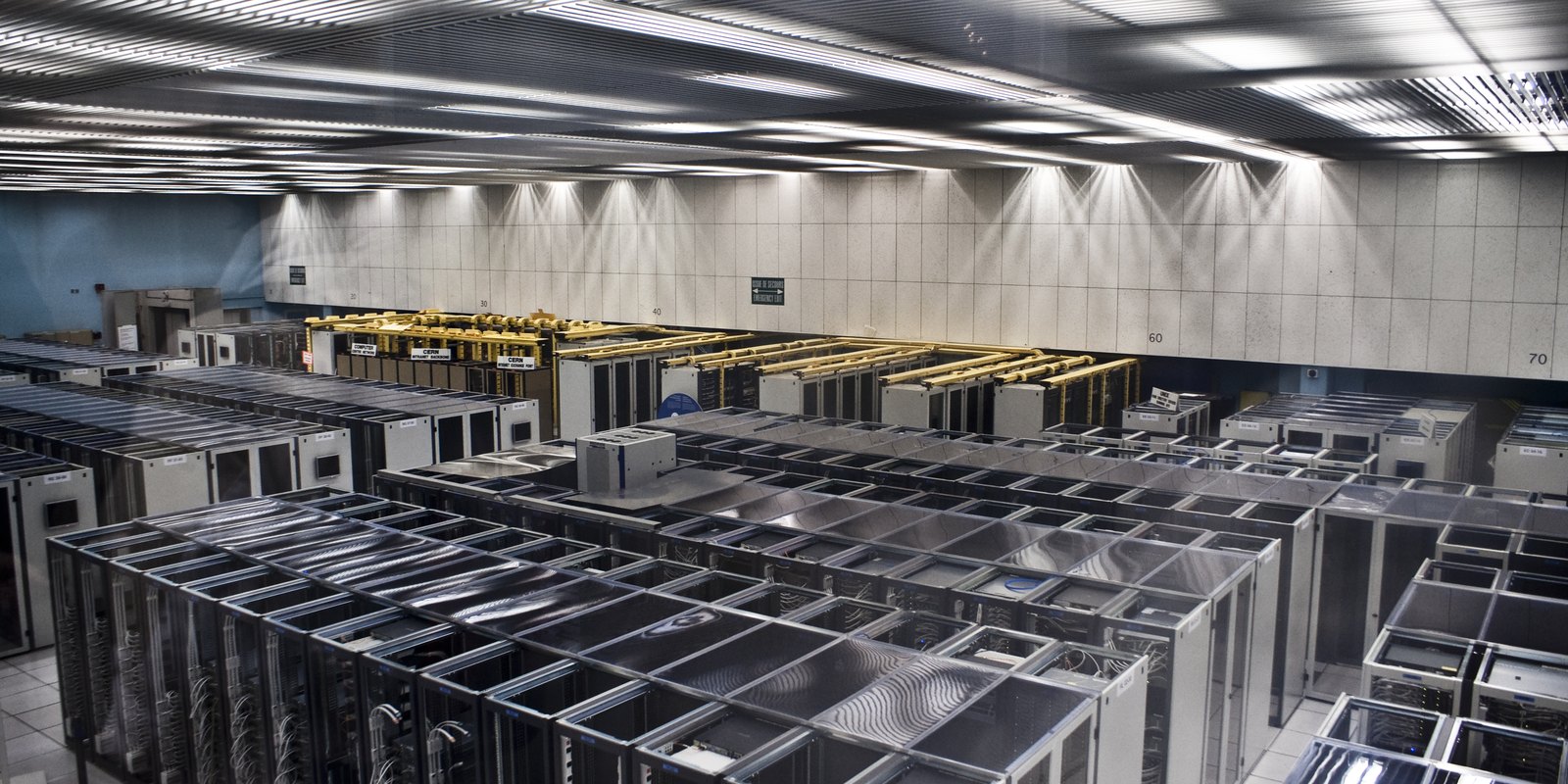
Every time a New Zealander opens an app, joins a video call or pays for something online, a server somewhere does the work. Much of the time, that somewhere is not New Zealand. The country’s data centre industry wants to change that, and it has written down how.
The New Zealand Data Centre Strategy, released on 12 August by DataCentres New Zealand, sets out a vision for New Zealand to become “a trusted and sustainable hub for data centre and AI infrastructure investment”. It is an industry plan, not government policy, and its contributors include AWS, Google, Microsoft, Datacom, CDC and Chorus. It asks government to work with the sector on three things: coordination, promotion and investment.
We mentioned the strategy in our story on EonFibre’s new 400G link across the Tasman. Here is what the nine-page document says, what it asks for, and what it means for tech leaders.
TL;DR
- DataCentres New Zealand, part of Tech New Zealand, released the New Zealand Data Centre Strategy on 12 August 2026. It is an industry proposal to government, with contributors including AWS, Google, Microsoft, Datacom, CDC and Chorus.
- Its central argument is that much of the processing behind New Zealand businesses and services happens offshore, so more of the investment, skills and jobs created by New Zealand’s digital demand is captured elsewhere.
- It asks government to work with industry in three areas: stronger coordination (including a Data Centre Ministerial Advisory Group, priority development zones and a cross-industry Accord), promotion of New Zealand as a home for “trusted + sustainable compute”, and investment in skills, submarine cables and capacity.
- Its headline figures include US$6.7 trillion of global data centre investment by 2030 and about 6,800 people working in and around New Zealand data centres. Its claim of $70 billion of economic growth comes from a single Boston Consulting Group scenario: up to $70 billion of economic activity by 2035 from 600MW of new capacity.
- On electricity, the strategy says growth must be carefully managed so new data centres complement, rather than displace, households and other industries, and help drive investment in new renewable generation.
- For tech leaders, the plan could mean more local options for hosting data and AI workloads, more diverse international routes and new workforce pathways, if government and industry act on its proposals.
An industry plan for essential infrastructure
DataCentres New Zealand describes itself as the united voice of the country’s data centre ecosystem. It is a community within the Tech New Zealand group, bringing together operators, developers, network providers, electricity companies and others in the sector. The strategy lists twelve founding members and contributors: AWS, CDC, Chorus, Datacentre220, Datacom, Datagrid, DCI, Google, Microsoft, TeamIM, TenPeaks and Vector Fibre.
Its starting point is that data centres are infrastructure in the fullest sense. The strategy calls them “essential infrastructure for modern life, like electricity and water”, and says that without well-run data centres much of the economy would be disrupted, including banking, communications, trade, healthcare, education and government services.
"Every digital interaction depends on data centres. They are the backbone of our digital economy, supporting the productivity, security, connectivity and creativity that New Zealanders rely on every day."
It also makes the case for the facilities New Zealand already has. The strategy describes them as world class and energy efficient, delivering more computing capacity for proportionally less power than the alternatives. It says data centres support thousands of skilled trades and technical roles, and many tens of thousands of digital professional roles.
The problem: the value sits offshore
The strategy is frank about where New Zealand stands. By international standards the country has a relatively small data centre footprint, with most facilities modest in scale and spread around the country. Much of New Zealand’s economic activity, it says, is processed in data centres overseas.
It reads the evidence in electricity use. The low share of electricity used by data centres, it says, suggests New Zealand is not yet capturing the full value of the digital processing its own economy generates. Other countries capture more of the infrastructure investment, technical capability and skilled jobs created by New Zealand’s digital demand. Comparable countries, it notes, have recognised data centres as essential infrastructure and built more domestic capacity.
"Put simply: if New Zealand does not build modern data centres and the supporting digital infrastructure we need, we will still use digital services, but more of the value will sit offshore, including in markets that may be less sustainable or more costly."
Why the industry thinks New Zealand can compete
The timing argument is about AI. The strategy says artificial intelligence is accelerating the development of new tools, and that access to AI infrastructure is becoming a prerequisite for productivity and trade. Demand for data processing, AI infrastructure and data centres, it says, will only increase.
Its case for New Zealand rests on advantages it says the country has. In many countries electricity and water are major constraints on data centre growth. New Zealand offers a highly renewable electricity system, a cool climate, a stable economy and political stability, and a trusted international reputation. The strategy also claims new data centres in New Zealand use about the same amount of water as a large family home.
It wants a high bar in return. New data centres should be energy efficient, secure and resilient, transparent, and supportive of New Zealand’s renewable energy transition. Its principles add trust and security, clear reporting and standards, and partnership between operators, the energy sector, telecommunications providers, government, iwi, regions and communities. The last principle is pace: many countries are working to attract the same investment, so “to succeed we must move at pace”.
The numbers behind the pitch
The strategy credits its figures to Boston Consulting Group (BCG) and Tech New Zealand. Tracing them back to the underlying reports adds useful context.
US$6.7 trillion. The strategy says this much will be invested in building data centres worldwide by 2030, and that “some could be invested here”. The forecast comes from McKinsey analysis, as NZTech (now Tech New Zealand) noted in its September 2025 report on the country’s data centres.
6,800 jobs. Data centres and the services supporting them employ about 6,800 people, the strategy says, and that number is expected to double. NZTech’s 2025 report breaks it down: just over 1,000 people work directly in data centre operations, and ongoing services in and around data centres support an estimated 6,800 jobs in total. It forecast the workforce would double by 2030, with up to 15,000 construction jobs as planned data centres are built.
$70 billion. The strategy says every 600MW of new data centres would bring “$70b of new economic growth”. The figure comes from BCG’s February 2026 report on New Zealand’s data centre opportunity, and the original is narrower. BCG found that building 600MW of capacity under its export base-case scenario “would unlock up to $70 billion in economic activity to 2035”. That scenario combines growth in domestic demand with 300MW of export-oriented capacity by 2035. The figure counts spending on building the data centres and matching new electricity generation, running them, and the supply chain behind them. It describes one scenario over about a decade, not a rate for every 600MW.
Water. The strategy says new data centres in New Zealand use about the same amount of water as a large family home, without explaining the comparison. BCG’s report points to the closed-loop cooling systems used by operators such as CDC, which are filled once and then recirculate the same water for the life of the facility.
For scale, NZTech’s 2025 report counted 56 data centres operating in New Zealand, with a combined deployed capacity of 104MW, and 20 more planned or under construction. BCG, measuring differently, put the country’s capacity at about 125MW, around 0.15 percent of the global market.
What it asks of government
The strategy proposes three immediate areas of focus for government, each with specific actions.
Strengthen coordination. Relevant ministers would work with industry to set up a Data Centre Ministerial Advisory Group to support long-term infrastructure and grid planning. It proposes priority data centre development zones with consenting support, and efficient consenting generally. And it calls for a cross-industry Accord to make sure data centres built in New Zealand are good for New Zealand.
Promote New Zealand data centres, at home and abroad. At home, government and industry would develop trusted sources of information about the sector and share them with the public, to improve what the strategy calls social licence. Abroad, a lead agency would be identified to coordinate an NZ Inc approach to growing a data centre export sector. Industry and government would promote New Zealand with a clear global value proposition, “trusted + sustainable compute”, run a targeted campaign aimed at investors and customers, and host a forum to show international investors the opportunities.
Attract investment in capability and capacity. The electrotechnology industry skills board (ETITC ISB) would work with industry on new workforce pathways for operators, engineers, cyber security and AI infrastructure. Government would promote STEM learning to support the research and AI modelling that local data centres would make possible. The strategy also calls for continued investment in submarine cables and diverse international routes, and for partnerships with data centre operators and global hyperscalers on shared investment in local skills.
"But this is a competitive global market. Other countries are moving quickly to attract the substantial investment now flowing into digital and AI infrastructure. New Zealand must move with purpose if we are to secure our share of that opportunity."
We could find no formal government response to the strategy yet, but ministers were already working on the question. In July Prime Minister Christopher Luxon said large data centres would need to demonstrate “additionality” to the electricity system, and that he had asked Economic Growth Minister Nicola Willis and the Department of the Prime Minister and Cabinet to develop a set of principles. In August Willis said MBIE officials had advised her that data centres rolling out over the next 12 months were not expected to put upward pressure on electricity prices, given the arrangements they had in place, and that she had directed more work on extra measures so that no future data centres would put upward pressure on electricity prices.
Invest New Zealand is already promoting six data centre zones to investors: North Waikato, Taupō, Taranaki, Manawatū, South Canterbury and Central Otago, chosen for their access to high-voltage electricity, backhaul fibre and potential speed to power. It says some sites within the zones could have infrastructure connections for new data centres within one to three years, though the report cautions that the listed capacities cannot all be achieved at the same time because of constraints on total system capacity.
The strategy’s asks will now go to whichever government forms after the 7 November election. The result was close, and final results are due on 27 November.
Power: managing the growth
Electricity is the question every data centre plan has to answer, and this one addresses it in general terms. “Growth will need to be carefully managed,” the strategy says. With the right planning, new data centres can complement, rather than displace, the needs of households and other productive sectors.
It argues the build-out can improve supply for everyone. New data centre development is already supporting investment in additional renewable generation and the infrastructure that connects it, the strategy says, and the build-out should be planned in a way that helps drive a better electricity supply for all New Zealanders.
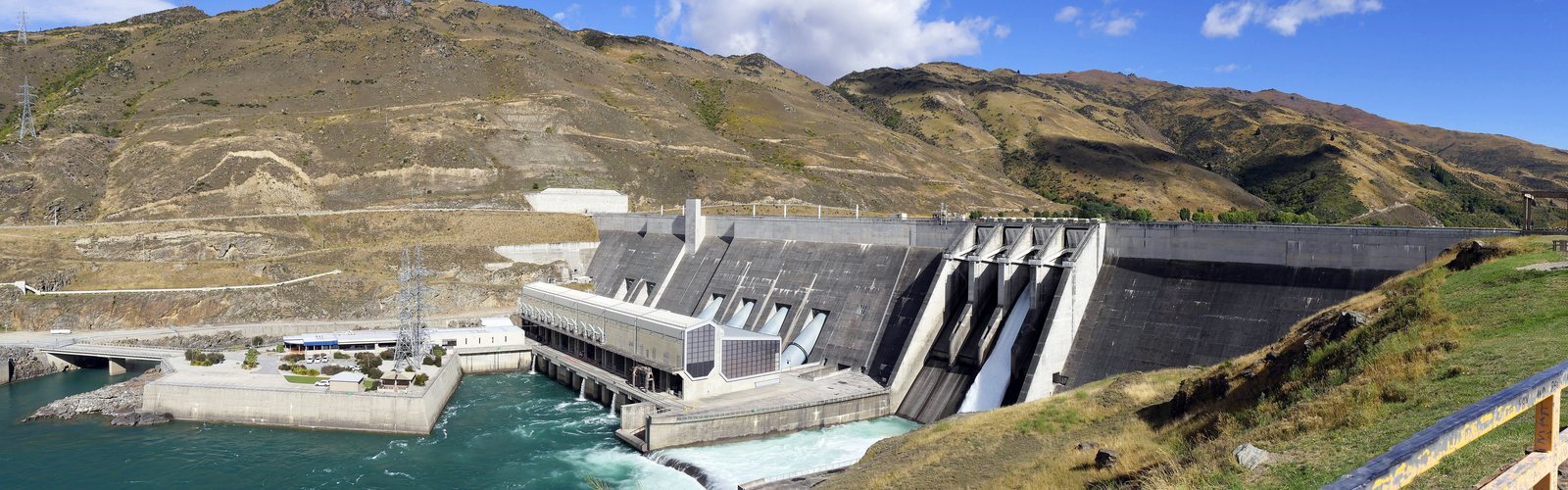
"Done well, new data centres can help drive investment in additional renewable generation and enabling infrastructure. The goal is not simply more capacity; it is building the right capacity, in the right places, in a way that is good for New Zealand."
The strategy landed in the middle of an election-year debate about electricity. NZTech’s 2025 report estimated that data centres used about 0.6 percent of New Zealand’s electricity, rising to between 1.6 and 2.2 percent by 2030 across its scenarios. BCG’s export base case, 600MW by 2035, would need about 3.5 terawatt hours a year, around 9 percent of 2024 demand.
In July the Green Party called for a one-year pause on consents for new AI data centres until stronger rules were in place. Green co-leader Chlöe Swarbrick said some data centres might build their own renewable energy or use closed-loop cooling, but “our current rules don’t require any of those things”. The Prime Minister called the Greens “alarmist”. Labour leader Chris Hipkins did not support a moratorium but said rules needed to be developed with more urgency, and Labour energy spokesperson Megan Woods said data centres should be obliged to underwrite new generation where they set up. Energy Minister Simeon Brown said: “We want to see AI data centres underwriting new renewable and other investments in energy.”
The strategy does not go as far as requiring that. It says that with the right planning, new data centres can complement rather than displace households and other industries, and that new development is already supporting investment in renewable generation.
Projects already moving
Several of the strategy’s contributors are already moving. TenPeaks, carved out of Spark this year, started with 11 facilities and 23MW of IT capacity, a development pipeline of more than 130MW and more than NZ$3 billion of projected investment. Site works began in August on Datagrid’s planned 360MW AI data centre campus at Makarewa, north of Invercargill, in which Mercury has taken a 12.7 percent stake and signed a 140MW power purchase option. The project has local opponents, who worry about its environmental impact, water use and noise. Also in August, CDC and Contact Energy said they would explore a data centre at Stratford in Taranaki; the project is at the exploration stage, and neither company has committed to build.
What success would look like
The strategy is framed around two goals. Domestic growth is “a national necessity”: making sure New Zealand has the data centre and AI infrastructure to lift productivity, strengthen resilience, build capability and stay competitive. Export growth is “new opportunities”: a credible global proposition that attracts data centre investment and supports New Zealand’s engineering and construction, connectivity and renewable energy industries.
It lists what success would look like:
- more predictable consenting and grid-connection timeframes
- greater domestic capacity to support critical services and economic growth
- new investment commitments in data centres and the infrastructure that enables them
- clear, credible information on sustainability, energy use and low-carbon performance
- stronger uptake of cloud and AI tools to lift business productivity
- jobs across construction, electricity generation, data centre operations and supporting regional industries
- visible career pathways, backed by a growing workforce pipeline
- early export wins, new partnerships and growing international credibility
Among the wider benefits it expects are stronger continuity for critical services with fewer single points of failure, and regional growth as data centre investment lines up with infrastructure and community outcomes.
What it means for tech leaders
For organisations deciding where their data and AI workloads live, our reading is that the strategy points to more choice close to home. More local capacity could mean more options for keeping data in New Zealand. Not all of it would be aimed at local users: BCG notes that AI training workloads are generally not latency-sensitive, so that capacity can be built wherever power and infrastructure are most competitive. The call for diverse international routes could strengthen resilience, and the proposed workforce pathways would widen the pool of people who can build and run this infrastructure.
None of it is decided. The strategy is the industry’s proposal: its asks of government will need answers from the next one, and several of its actions, such as the Accord and the skills partnerships, fall to the industry itself. For tech leaders, it is a useful map of where New Zealand’s digital infrastructure could go next, and of the questions worth asking providers along the way: where the data will sit, how the facility is powered, and how many routes lead out of the country.
Sources
- DataCentres New Zealand: The New Zealand Data Centre Strategy (PDF)
- Tech New Zealand: Industry-led data centre strategy launched to power New Zealand's digital future
- IT Brief New Zealand: New Zealand data centre strategy backs AI expansion
- Boston Consulting Group: Data centres as strategic infrastructure, unlocking value for NZ Inc (PDF)
- NZTech: Empowering Aotearoa New Zealand's digital future, our national data centre infrastructure (PDF)
- iStart: Data centre strategy lands amid power debate
- 1News: Govt wants 'common-sense' rules around big data centres, PM
- interest.co.nz: New data centres not expected to put upward pressure on electricity prices, MBIE tells Willis
- interest.co.nz: Energy Minister Simeon Brown wants AI data centres underwriting new renewable energy
- RNZ: Urgent need for rules and protections on data centres, Greens say
- W.Media: EonFibre launches connectivity offer for NZ data centre zones
- ChannelLife: TenPeaks launches NZ data centre group after Spark carve-out
- interest.co.nz: Mercury NZ secures 12.7% stake worth $53 million in Datagrid NZ's $3.5 billion Southland AI datacentre project
- Otago Daily Times: Major milestone in construction of NZ's largest data centre
- CDC: CDC and Contact Energy to explore data centre, Stratford, Taranaki
- OPB (AP): No clear winner in New Zealand election, as leaders prepare for weeks of talks