
Healthy Foundations for a Digital Future: TUANZ and the DHA Open the Tech Users Summit
13 October 2026· AFQY News
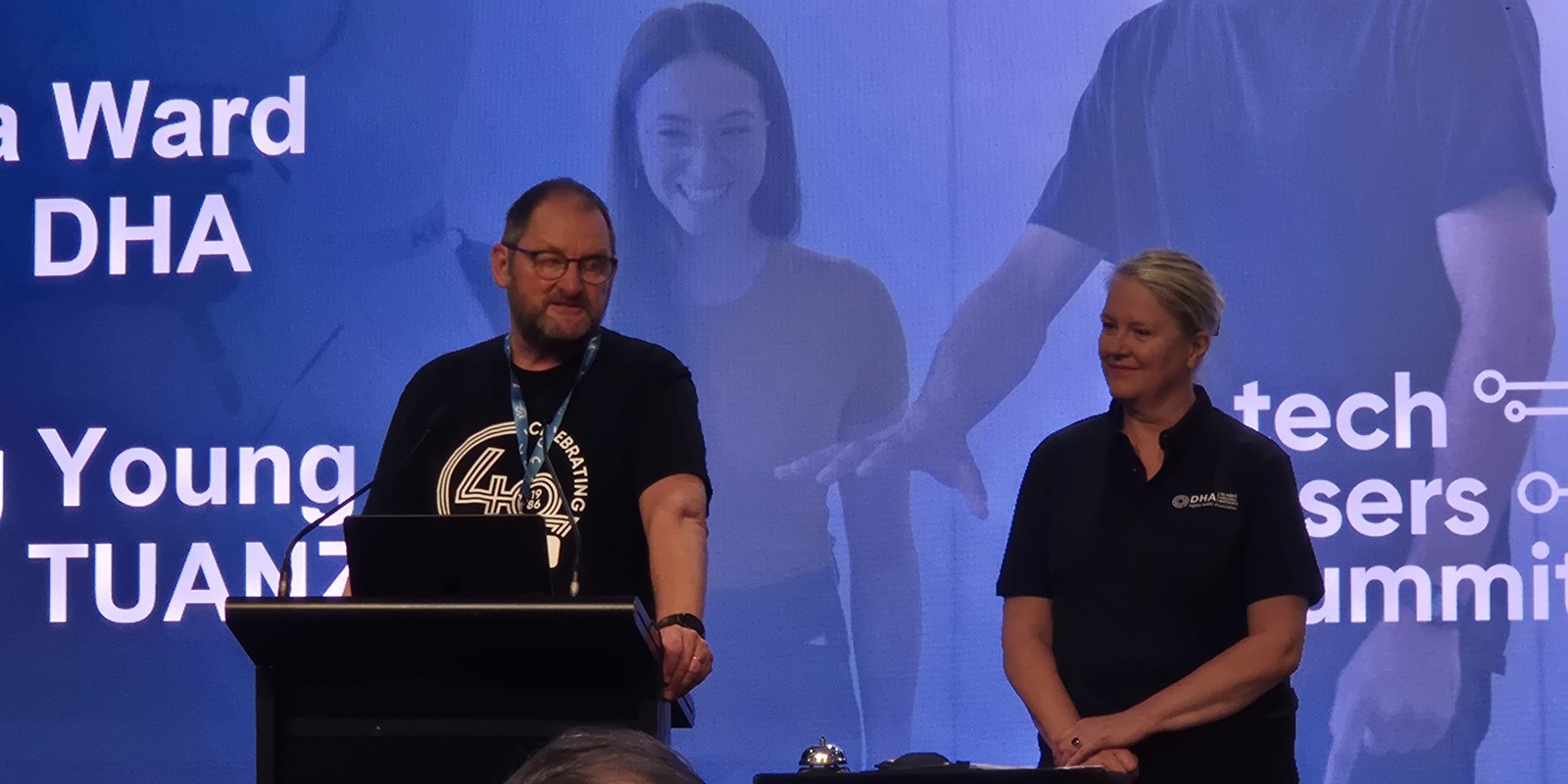
The Grand Millennium ballroom was full by five past nine on a Tuesday morning in October, which Craig Young noted is not a given. There is an election coming, everyone is busy, and as the TUANZ chief executive put it, 2026 has not necessarily been the year any of us hoped it would be. He wondered aloud what had become of the industry’s old mantra of surviving till twenty five, then moved briskly on. The room laughed, because the room recognised it.
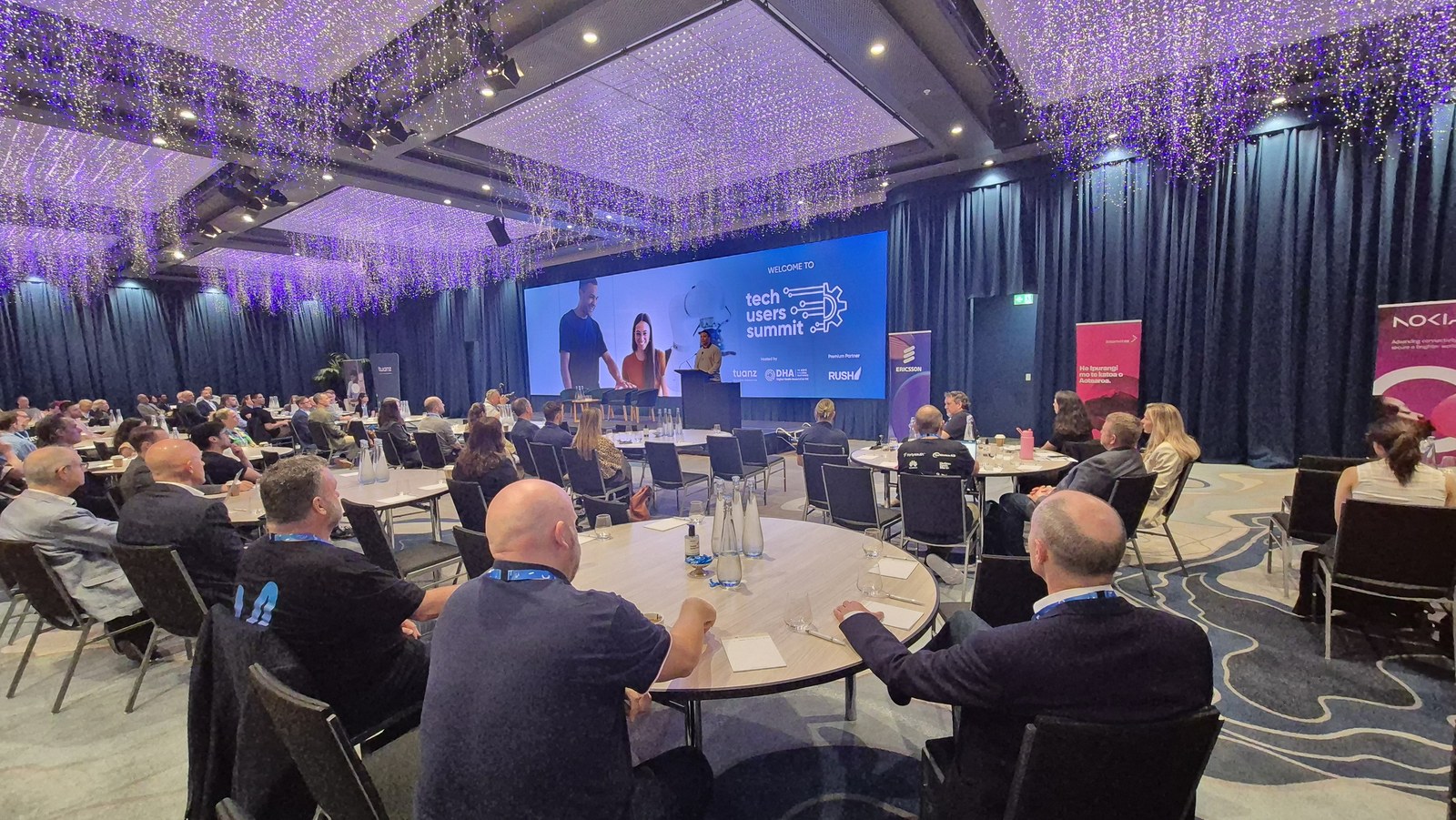
That was the tone of the opening: warm, dry, and unwilling to pretend things are easier than they are. It suited what followed, because the argument Young and Stella Ward made between them was not a celebration of how far New Zealand has come. It was an argument about groundwork.
Five editions, and a venue that became a location of interest
This is the fifth Tech Users Summit, and Young took a moment for those who were at the first one. It had been scheduled for this same hotel. The Grand Millennium was a managed isolation facility at the time, so the summit moved elsewhere. It ran on a Thursday. On the Saturday the replacement venue was named a location of interest dating back to the Wednesday, and the country went into lockdown. The summit, as he put it, had been lucky to happen at all.
He also observed that the event has had a different Minister for Science, Innovation and Technology every single year of its existence, and let the audience draw its own conclusion about what that says for a portfolio the government lists among its growth strategies. Hon Penny Simmonds closes the day with a ministerial address.
Two sectors, one conversation
Young opened the summit alongside Ward, the chief executive of the Digital Health Association, and was explicit about why. The collaboration reflects a view both organisations now hold: that technology and health are no longer parallel conversations but deeply entwined ones, shaping how the country lives, works and plays.
The theme they share for the day is healthy foundations for a digital future, a play on words Young enjoyed and then immediately put to work. Across health, enterprise and government, he said, everyone is grappling with the same critical questions: digital resilience, trust and safety, data governance, and the infrastructure needed to support responsible innovation. The two rooms running today take those in turn, moving from AI experimentation towards ethical and inclusive implementation, looking at how to protect systems and communities from cyber threats, and asking how to cultivate the skills the future workforce will need.
Then he said something more interesting than a welcome usually contains. The day is not only about informing people. It is about sparking debate.
"When a speaker says to me, I can be a bit controversial, I say, go for it."
He encouraged delegates to ask the hard questions, using the event app so they can do it anonymously and vote each other’s questions up or down. Two short table sessions in the TUANZ stream will require people to turn to the person beside them, discuss one big question, and report back. Yes, he confirmed, you do have to talk to the people at your table.
Ward: foundations first
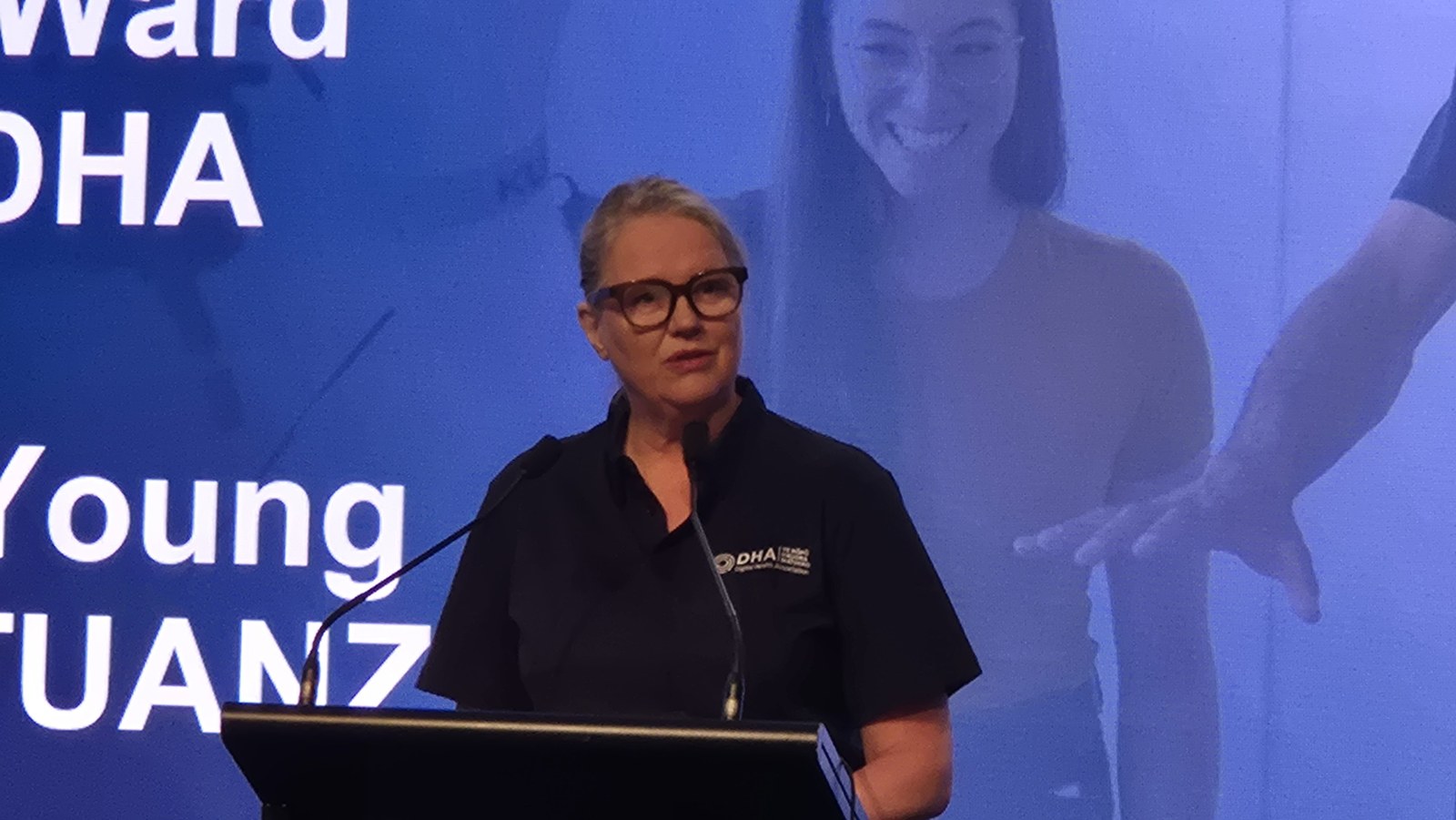
Ward picked up the theme and gave it an edge. The room, she said, holds leaders and practitioners from health, government, technology and industry. They come from different parts of the system but share one ambition: a digital future that delivers better outcomes for people across Aotearoa New Zealand.
After thanking the sponsors, speakers, panellists, facilitators and the TUANZ and DHA teams who built the day, she got to her point, and it was the sharpest line of the morning.
"Innovation cannot thrive on foundations that are fragmented, insecure, and unable to scale."
The election gave that urgency. Her framing was pointed and deliberately apolitical.
"Governments and priorities may change, but New Zealand needs digital foundations that endure."
Secure, connected and trusted infrastructure, she said, is what enables smart investment and keeps better outcomes for people at the centre. She then listed what strong foundations demand: cyber security and resilience, trusted data and governance, interoperability, responsible AI, and a workforce equipped to turn ambition into action. These are not only technology issues, she argued. They shape whether people receive safer, smarter and more connected services, and whether the country can innovate with confidence.
The measure of a good day
Ward closed with a challenge to the room rather than a summary of the agenda. Be curious and generous. Ask the difficult question. Share what has worked and, just as usefully, what has not. Meet someone outside your usual network.
"The real value of today will not be measured only by the words said on stage. It will be measured by what we choose to do next."
Progress happens, she said, when the whole ecosystem moves together: industry, government, providers, innovators and communities aligned around shared priorities. Her hope for the day was modest and specific. Fresh insight, valuable connections, and one clear action each person is ready to take forward. Be ambitious about what is possible, she asked, and practical about making it happen.
It is a good test to carry into a conference, and a harder one than it sounds. Most events are measured by the quality of what was said. This one has asked, before a single keynote, to be judged on what the room does afterwards.