
Naut to 80 km p/hr in 5 Seconds - with electrifying Kiwi innovation and the future of boating
3 August 2026· AFQY News
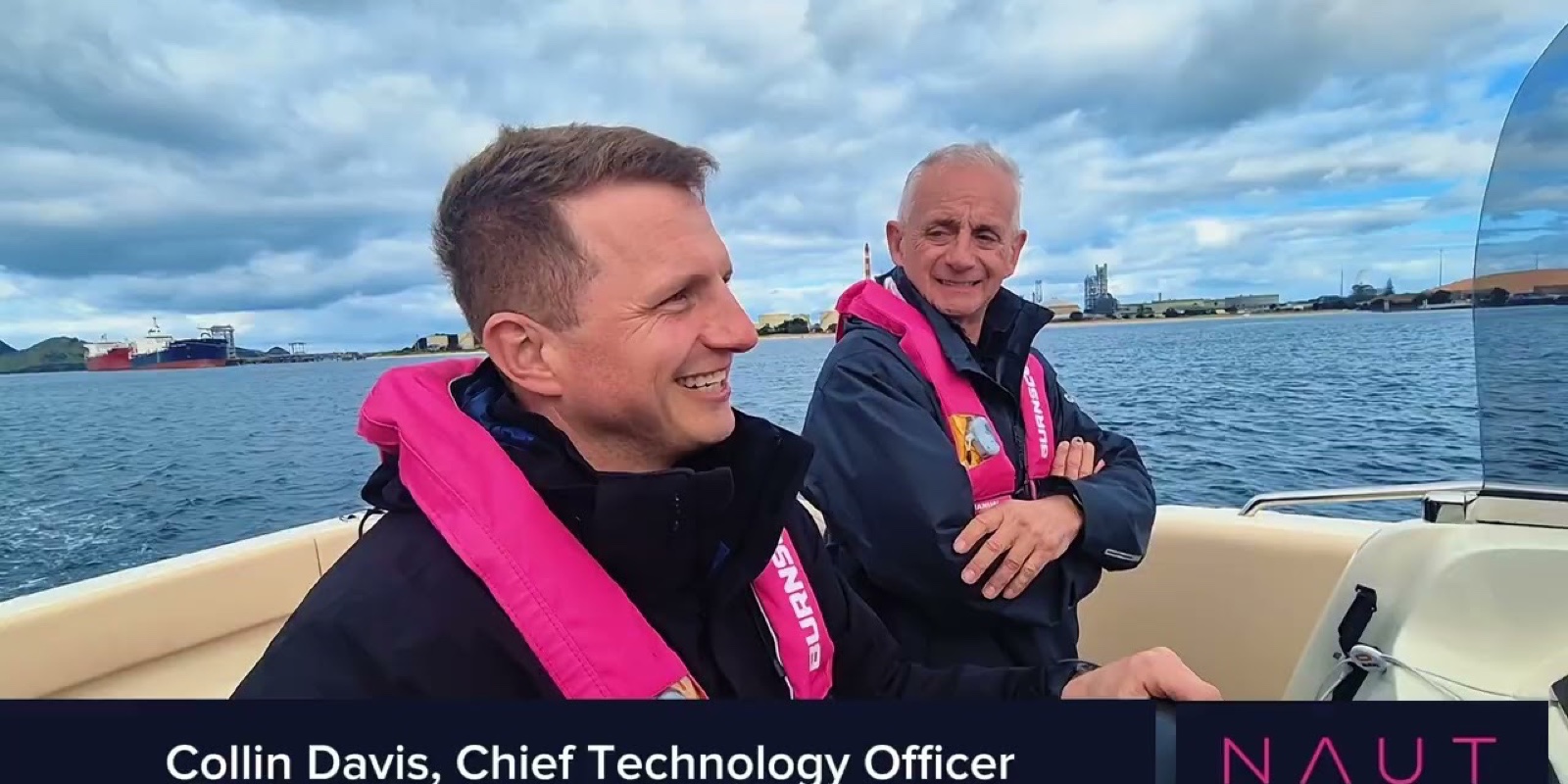
Three, two, one. The nose lifts, Whangārei Harbour shrinks to a smudge behind the wake, and the loudest thing on board is the wind. This is Ngaru, the flagship of Whangārei electric propulsion company Naut, and the reason AFQY pointed a camera at the water: 40 knots, roughly 75 kilometres an hour, from a boat that plugs in like a phone.
The hosts for the ride were Lindsay Faithfull, electrical engineer, boat lover and Naut director, and Collin Davis, chief technology officer, whose team-page bio promises he can tell you all about pushing extreme speeds on the water. Both are exactly as advertised. Somewhere mid-bay, Lindsay pointed out Mount Lion on the headland, which felt like a good omen for this particular channel.
The machinery under the fun is serious. Ngaru runs a 400 kilowatt electric motor, about 525 horsepower, fed by several thousand lithium cells. Naut bills it as New Zealand’s most powerful electric boat, and press coverage of the system’s debut clocked it at zero to 40 knots in about five seconds. The company rates the Ngaru design at up to 150 nautical miles in ideal conditions, and out on the water the founders talk of around 100 at pace.
Then there is the part that raises eyebrows: the running cost. Charged overnight at home rates of about 30 cents a kilowatt hour, a fill comes to ten or twelve dollars. Because Ngaru is a trailer boat, it can also top up at any roadside DC fast charger. As the crew put it, you can charge it just about anywhere you can charge your iPhone. The cockpit matches the philosophy, with a single 27 inch Garmin glass display running Naut’s own software for everything from charge status to nav lights and the bilge pump.
What makes Naut interesting to more than boaties is the business model. They are not a boat builder. “You find the boat, we can propel it electrically,” is how the pair frame it, and the system genuinely does not mind whether it spins a propeller or drives a jet unit. The same high-power package is now being built into an outboard, the Kaha, and the pair teased a big announcement involving a partnership with a major boat builder to showcase it.
The track record backs the confidence. Naut took its electric drive systems to market in 2022 and launched a demonstrator, Beachcomber, that Lindsay still planes across Oakura Bay on weekends. Business press reported a feasibility study on electrifying Queenstown’s famous Shotover Jet later that year, then a $1.5 million raise in 2023 to grow the business. By late 2025 the company was demonstrating its third-generation system on the Waitematā and reporting offshore sales, and last month CEO Fiona Bycroft was talking innovation and what comes next in a manufacturing industry feature.
Beneath the specs, this is an AFQY story through and through: a small Whangārei team doing world-class engineering with obvious joy. Their team page reads like our kind of people, including an engineer who performs kapa haka at All Blacks games. And as Lindsay puts it, zero carbon transport is not a someday idea. It is happening now, and it is available now.
The last question of the day was the important one. Does riding it make you Ryan the electric sea lion? The verdict from the crew was unanimous. It absolutely does.
Sources
- AFQY on YouTube: NAUT, Electric Propulsion Engine, Kiwi Innovation
- Naut: Electric marine propulsion systems for a better way to boat
- Naut: Ngaru, New Zealand's most powerful electric boat
- Naut: Our team
- Naut: News and media
- NZ Herald: 0 to 40 knots in 5 seconds: Naut demos new electric propulsion system for boats
- NZ Herald: Naut shows off its latest electric propulsion system for boats, clocks up offshore sales
- NZ Herald: Whangārei company gets $1.5m to develop electric boat engines